
Hauraton solutions for garden, infrastructure and industry
Looking for a reliable solution for rainwater drainage on your project?
As an exclusive distributor of Hauraton drainage channels, Deschacht offers a complete range for applications from gardens and surrounding areas to heavily loaded infrastructure and industrial sites.
Our systems combine hydraulic performance, durability and aesthetics, and are designed according to the strictest water management standards.
Hauraton drainage channels: solution for every application
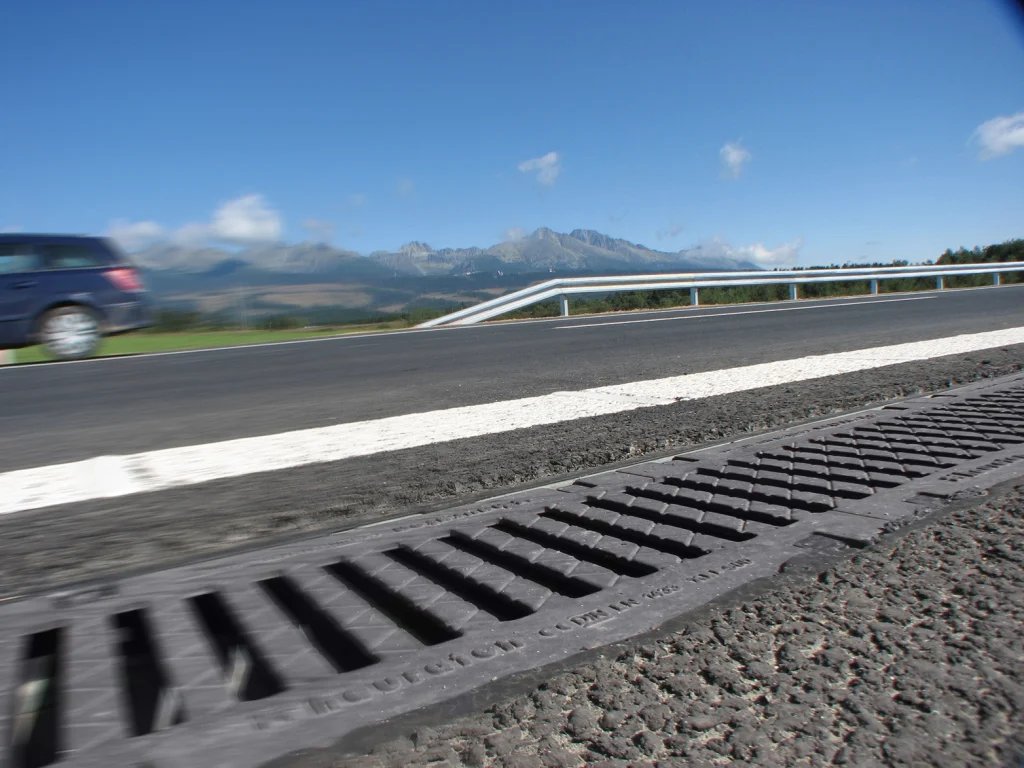
- landscaping and residential paving
- driveways and parking lots
- road and infrastructure projects
- airports and logistics zones
- industrial sites and production environments
- sports fields and public spaces
Thanks to their versatility, they are suitable for both light and heavy loads.
The correct trench per load class
The correct drainage channel is determined by the load on the system (traffic, vehicles, industrial load). Check our page on load classes and discover which standard (EN 1433) applies to your project.
Besides load, the water discharge (flow rate) is also a determining factor, including with the surface area and slope, precipitation intensity and type hardening. Use our online calculation tool to quickly size the right drainage channel for your application.
Hauraton drainage channels - which types?
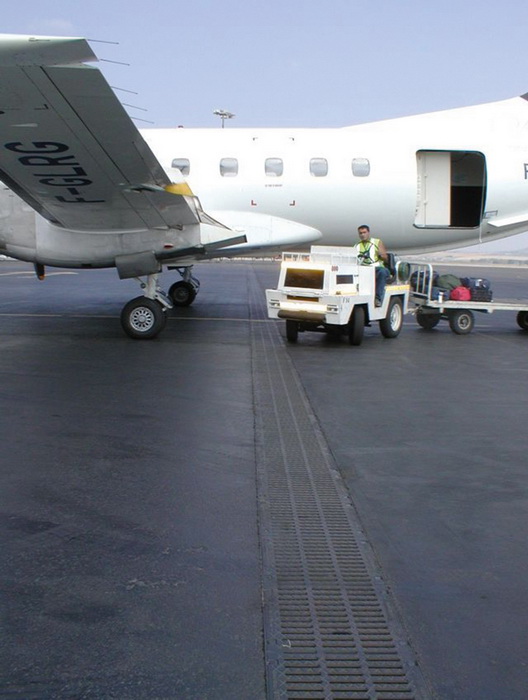
Some application areas such as airports, ports, racing and test tracks require drainage systems that can withstand extremely high loads and frequencies of use.
Load class up to F 900.
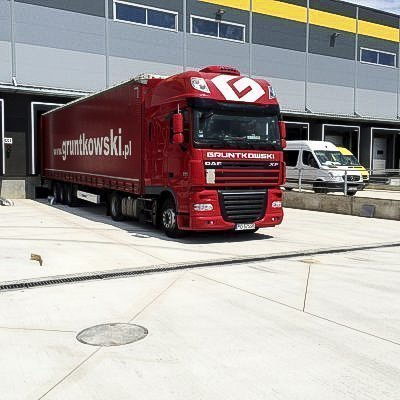
In high-traffic areas such as logistics centers, bus stations, industrial yards, or truck parking lots, the channels must be able to withstand the heavy loads caused by vehicle maneuvers.
Load classes D-400 to E-600.
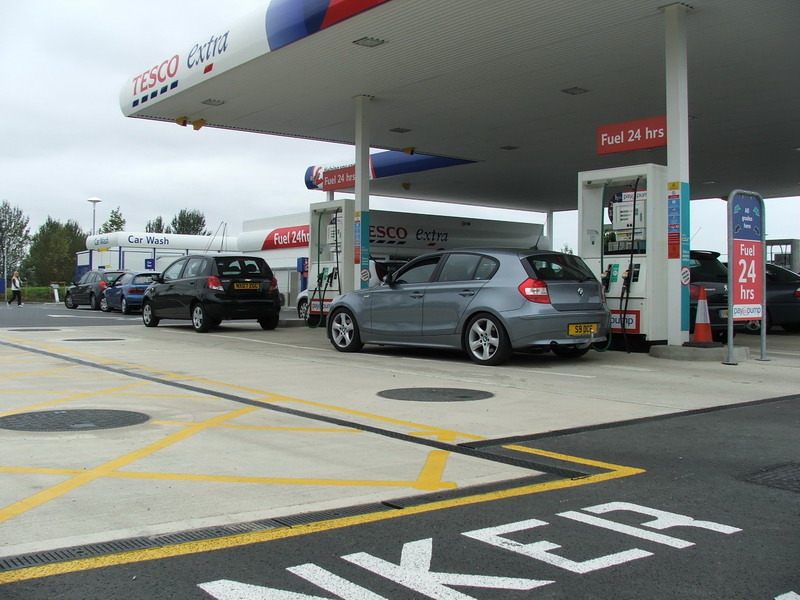
Aesthetic, robust and resistant to corrosive substances, drainage systems for medium-duty loads are the ideal solution for public spaces, parking garages, petrol stations, industrial areas or train stations.
Load class C 250.
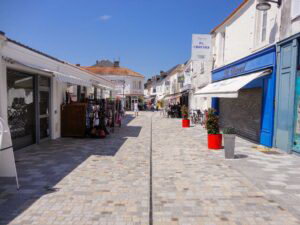
For rainwater drainage in public and commercial areas such as squares, green spaces, parks, sports facilities, and cycle paths, a design of lightweight drainage systems combines with maximum safety.
Load classes A 15 up to and including C 250.
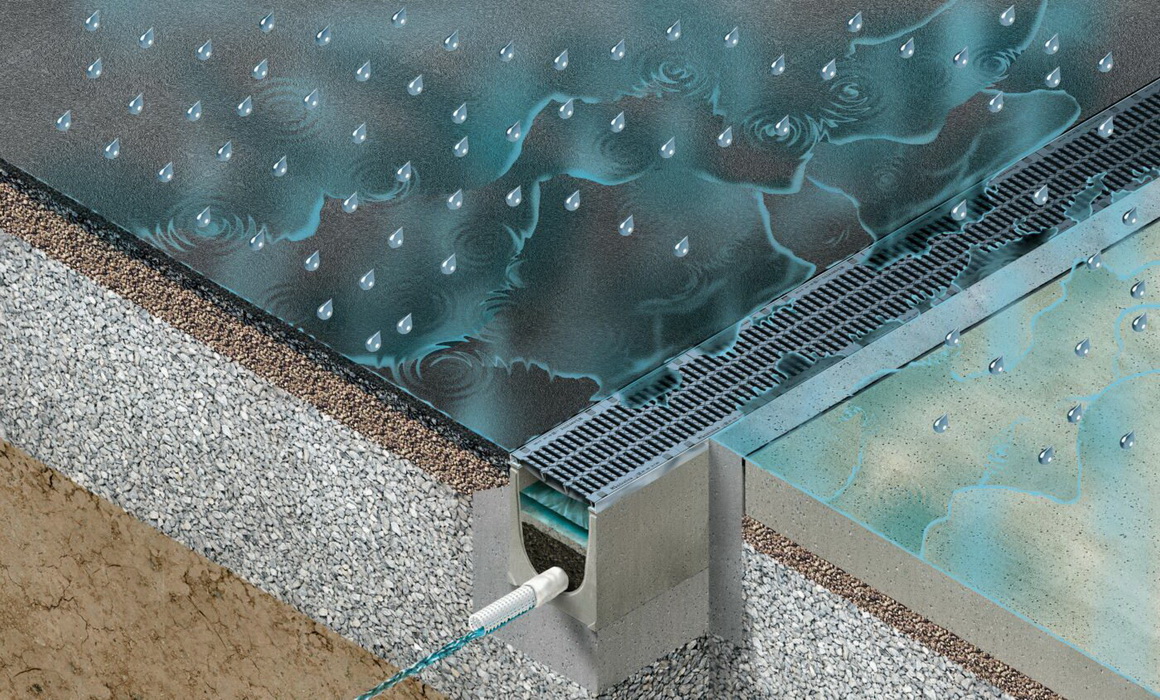
Rainwater from roads, parking garages, or industrial sites may be contaminated. For localized ecological infiltration, it must be treated to remove all impurities and contaminating particles.
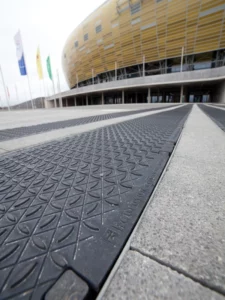
Discover safe and reliable cable duct systems for optimal cable management. Choose from concrete or composite cable ducts such as FASERFIX and RECYFIX PRO, suitable for a variety of applications.
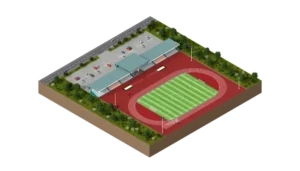
Deschacht distributes a specialized range of products for drainage on and around sports fields, as well as for the removal of microplastics around sports fields.
Tailored advice for your project?
Every project is unique. That is why our specialists support you with:
- selection of the correct drainage channel
- sizing and design
- integration in total water management
Contact product specialist Peter Rommel for customized technical advice.
FAQ - Frequently asked questions about drainage channels
1. What factors determine the choice of the correct drainage channel?
The choice of a drainage channel depends on several technical parameters:
- load class (EN 1433) depending on traffic and use
- hydraulic capacity (discharge water flow rate)
- material selection (plastic, fiber-reinforced concrete, concrete)
- environmental factors such as chemical exposure or intensive use
For a correct choice, you combine sizing, application, and standardization.
2. How is the hydraulic capacity of a drainage channel determined?
The sizing of a drainage channel is based on expected discharge rate (Q) and the drainage area. Important parameters are:
- precipitation intensity (T-value / return period)
- surface runoff coefficient
- length and slope of the gutter line
- grate intake capacity
The capacity of the channel (profile + grating) must be sufficient to discharge peak flow rates without water overflow.
In practice, this is calculated using hydraulic calculation models or a sizing tool.
3. How do load classes (EN 1433) relate to the construction of the drainage channel?
The load class according to EN 1433 (A15 up to and including F900) determines not only the grating, but the entire structural design of the system:
- type and thickness of the material (PP, fiber-reinforced concrete, reinforced concrete)
- anchoring and installation method
- foundation support (concrete bed, encasement)
An incorrect choice of load class can lead to stress cracking, subsidence, or system failure under dynamic loading.
4. What role do drainage channels play in the total water balance?
Drainage channels are a primary link in surface runoff and rainwater collection and help determine:
- the discharge rate (hydraulic behavior)
- the distribution between runoff, retention, and infiltration
- the load of downstream facilities
In a good design, drainage channels are tailored to:
- infiltration capacity (crates, swales)
- buffer volumes
- discharge restrictions into the sewer system
As a result, they form an integral part of a controlled and sustainable water management concept.
5. How does material selection affect the performance of drainage channels?
The choice of material has a direct impact on both hydraulic and structural performance:
PP (plastic)
- low curb weight
- suitable for light loads
- high chemical resistance
fiber-reinforced concrete
- high compressive strength
- good resistance to thermal and mechanical stress
reinforced concrete
- suitable for extreme loads (industry, ports)
- high structural stability
The choice of material is determined by a combination of load, environment (chemical/physical) and lifespan requirements.