
Vapor barriers for sustainable and airtight roof structures
A vapor barrier is an essential component of any insulated roof construction. It prevents warm, humid indoor air from penetrating into the insulation layer, where condensation can form. By preventing moisture problems, the insulation continues to perform optimally and the lifespan of the entire roof is extended.
Why choose a vapor barrier?
- does the insulation protect against moisture load
- limits the risk of condensation in the roof structure
- contributes to better airtightness
- helps limit heat loss
- increases the durability of the roof
Advice on vapor barriers?
The choice of the right vapor barrier depends on several factors. A correctly chosen and installed vapor barrier is essential to prevent condensation, maintain insulation performance, and extend the lifespan of the roof structure.
The Supervap range for professional roofing applications
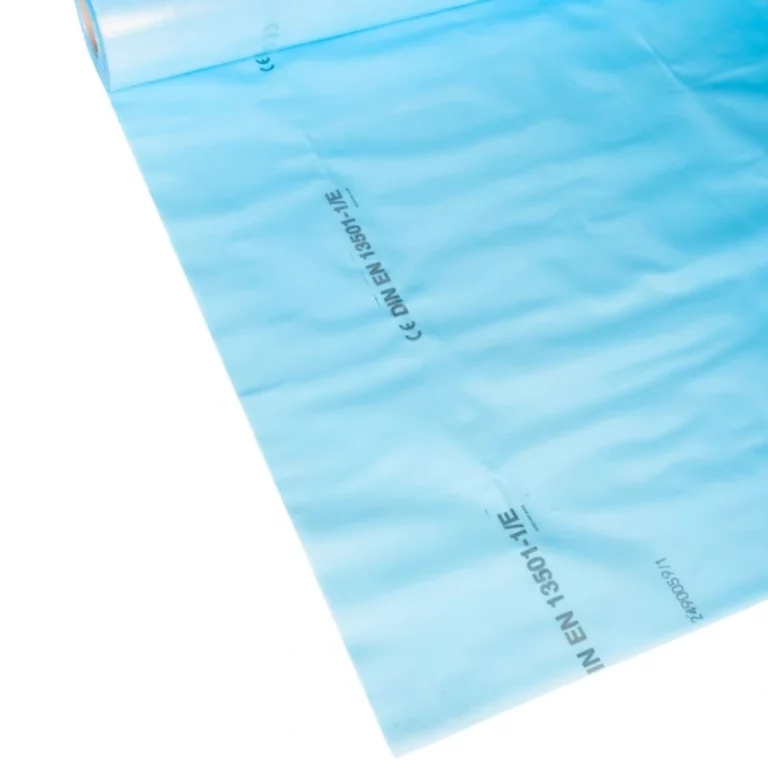
This three-layer vapor barrier protects the insulation against moisture from the interior and helps prevent condensation, moisture damage, and heat loss. Thanks to its high tear resistance and durable quality, it is suitable for both new construction and renovation projects.
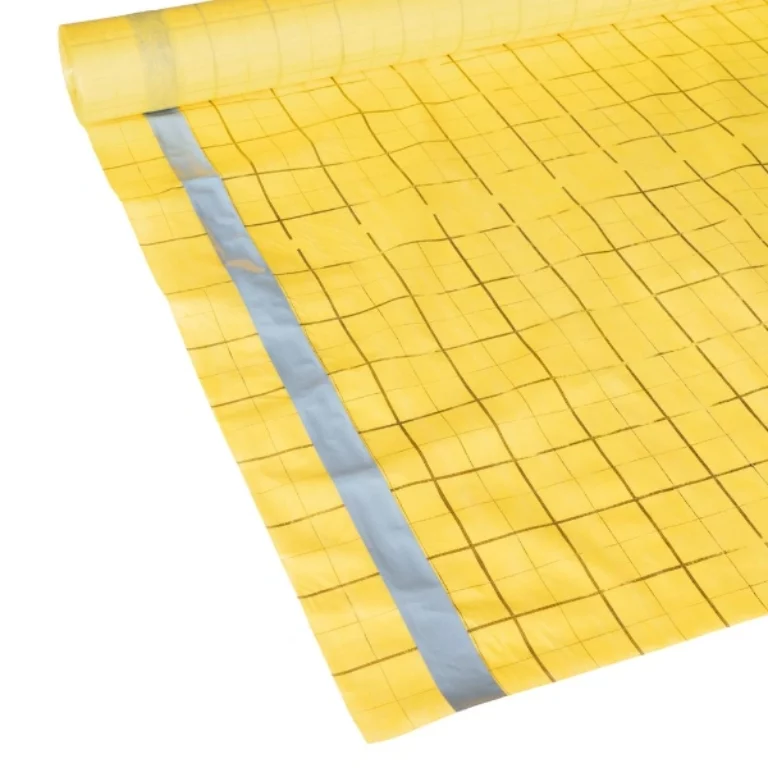
Supervap Vario is a moisture-regulating vapor control layer with variable vapor permeability. The membrane adapts to the humidity, which limits condensation in the roof structure and allows moisture to dry out in a controlled manner. Thanks to the integrated adhesive strips, Supervap Vario is easy to install and ideal for renovations and complex roof constructions.
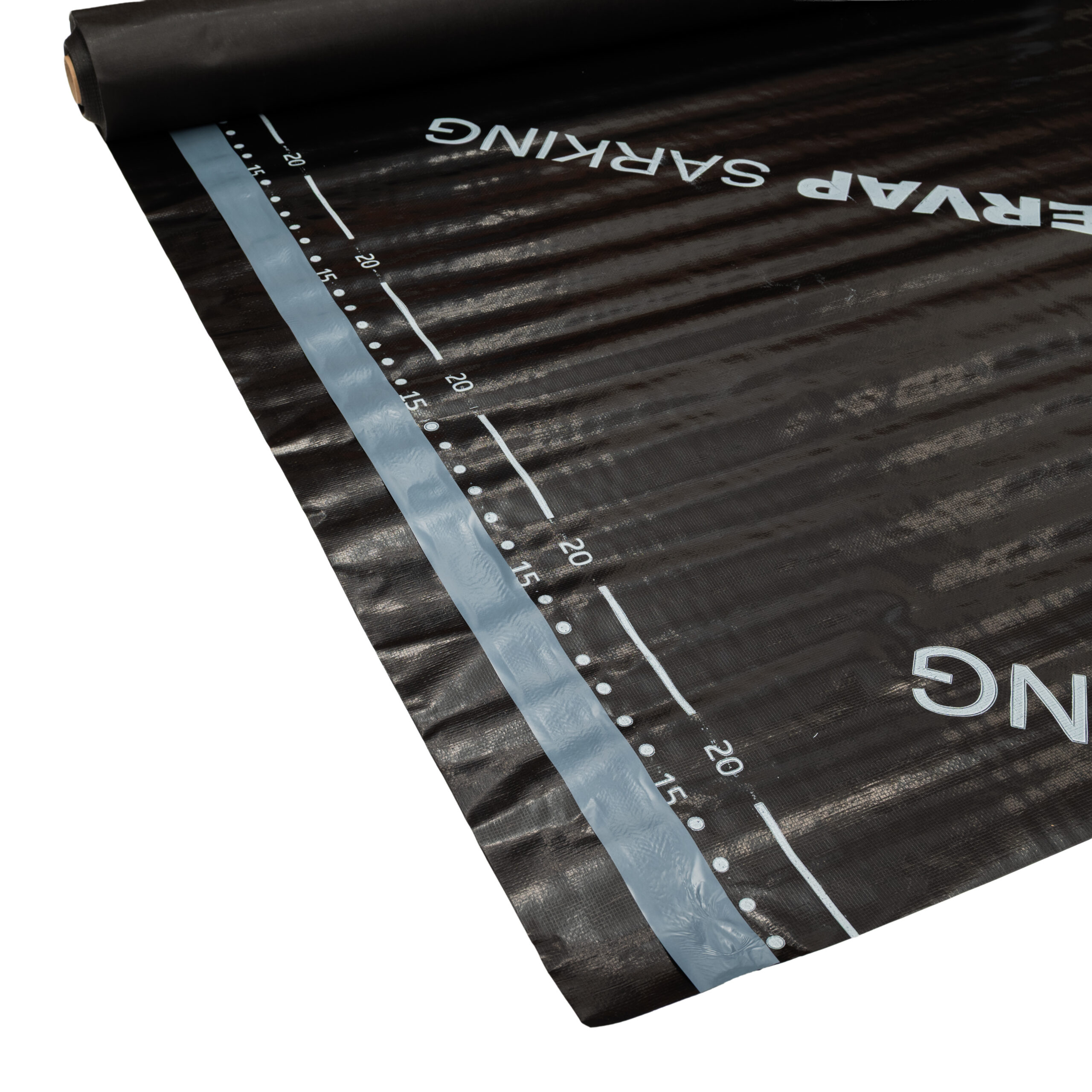
Supervap Sarking is a waterproof vapor barrier for pitched roofs with a sarking roof construction. It protects the roof structure against condensation and moisture problems and contributes to an airtight finish. Thanks to the integrated double adhesive strips, installation is fast, simple, and reliable.
FAQ
1. Why is a vapor barrier important in an insulated roof construction?
A vapor barrier prevents water vapor from the interior space from entering the insulation and roof structure. This reduces the risk of internal condensation and preserves both the insulation value and the durability of the roof assembly.
2. When do you choose a vapor barrier or a vapor retarder?
The choice depends on the roof structure and the building physics requirements of the project. A classic vapor barrier offers high vapor resistance, while a moisture-regulating vapor control layer is suitable for structures where controlled drying is desired, such as renovations or complex roof structures.
3. Where is a vapor barrier installed?
A vapor barrier is installed on the warm side of the insulation. Correct placement and airtight finishing are essential to prevent condensation problems and heat loss.
4. What role does a vapor barrier play in airtight construction?
Besides moisture control, a vapor barrier contributes to the airtightness of the building envelope. A correct connection of seams, penetrations, and connection details helps limit uncontrolled airflow and supports the energy performance of the building.
5. What are the consequences of an incorrectly placed vapor barrier?
Insufficient airtight connections or incorrect positioning can lead to condensation in the roof structure, reduced insulation performance, moisture problems, and an increased risk of damage to the construction.