
Geothermal systems and components
Pipes and solutions for geothermal drilling
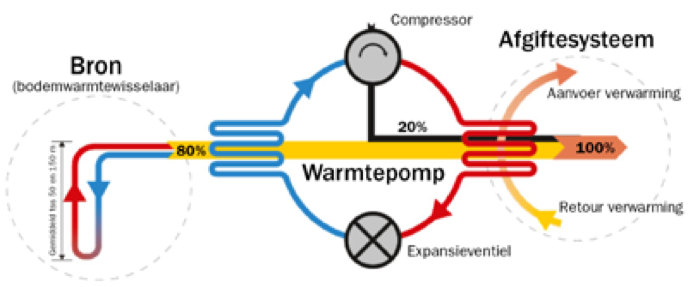
Geothermal energy uses the constant temperature in the subsurface to efficiently heat and cool buildings. This is done via a network of vertical or horizontal pipes (geothermal probes) that absorb heat from the ground and transport it to a heat pump.
Deschacht supports contractors, installers, and engineering firms with a complete range of products for geothermal installations, including technical advice and fast delivery via our webshop.
Partner for geothermal energy projects
Deschacht specializes in the supply of piping systems and components for geothermal energy in both small and large-scale projects.
- expertise in vertical and horizontal drilling
- collaboration with specialized manufacturer HakaGerodur
- delivery from stock and customized support
Advice on geothermal energy projects?
Every geothermal project requires a customized approach, in which various technical aspects must be coordinated. Think of the sizing of probes and pipes, the choice of the right material, diameters and lengths, and the integration with the heat pump and the building installations.
Structure of a geothermal system
A geothermal system consists of various components that must be carefully coordinated with one another:
Geoprobes and capture network
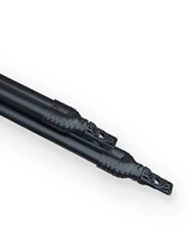
Geothermal probes (vertical boreholes) or horizontal collection networks form the source of the system.
They extract heat from the ground through a closed network of pipes filled with a heat-transfer fluid.
Check out our range of geothermal probes in the webshop.

Collection and distribution
Multiple probes are brought together via a collector:
- distribution and regulation of flow rates
- connection to the heat pump
- central connection of the system
Collector pits ensure a well-organized and easy-to-maintain system.
Pipes and Connection Methods
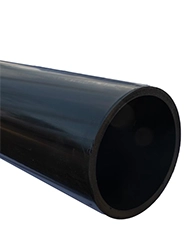
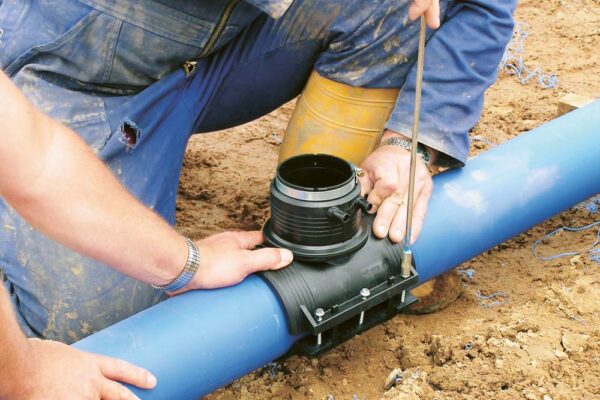
The medium is transported through HDPE pressure pipes and fittings:
- PE100 / PE100 RC Pipes
- electrofusion and butt fusion joints
- pressure-resistant and corrosion-free
These pipes are designed for long-term performance under high loads and variable conditions.

Pipe lines and sealing
- stabilization of the borehole
- protection of groundwater layers
- preventing contamination
Applications of Geothermal Energy in Construction and Industry
Geothermal energy is applied today in a wide range of projects, ranging from residential developments and apartment buildings to offices, utility construction, and more complex applications such as hospitals, care facilities, and industrial or logistic buildings.
Depending on the energy requirements and the project’s configuration, geothermal wells are typically drilled to a depth of between 50 and 150 meters. This makes it possible to tailor the system precisely to the required performance and the available site.
Benefits of Geothermal Systems
For contractors and installers, geothermal energy offers a reliable and efficient solution. The system operates at a stable efficiency, regardless of the outdoor temperature, and ensures low long-term operating costs. In addition, geothermal energy is used as a renewable energy source, offering the ability to both heat and passively cool.
Proper sizing and a carefully considered choice of materials remain essential to ensuring the system's performance and service life.
FAQ
1. How is a geothermal system correctly dimensioned?
The sizing of a geothermal system is based on:
- the building's heating and cooling demand
- soil conditions and thermal conductivity
- depth and number of boreholes
- cone penetration test type and cone diameter
Eand correct sizing is crucial to guarantee efficiency, reliability, and lifespan.
2. Which pipes are used for geothermal installations?
For geothermal energy, primarily HDPE pipes (PE100 or PE100 RC) are used:
- high pressure resistance (e.g., SDR11, PN16) [cdn.dyka.be]
- bare connections (electrofusion/butt fusion)
- long service life and high chemical resistance
The choice of pipe diameter and type depends on flow rate and project requirements.
3. How are multiple geothermal probes hydraulically connected?
Multiple probes are connected via a collector:
- parallel connection for balanced flow rates
- central distribution to heat pump
- ability to regulate and maintain per circuit
Manifold chambers ensure a clear and technically correct installation.
4. What critical points require attention during the execution of geothermal drilling?
In geothermal installations, the following factors are essential:
- proper sealing with grout
- avoidance of cross-contamination between aquifers
- mechanical protection of pipes
- pressure testing and quality control before commissioning
An error in execution can lead to a loss of yield or environmental problems.