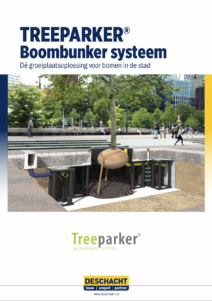
Sustainable growing environments for urban trees and infrastructure
In urban projects, trees and infrastructure often clash. Limited root space, compaction caused by traffic, and a lack of water infiltration make it difficult for trees to grow. With TreeParker, you create a structural growing environment in which trees develop optimally without affecting the paving above.
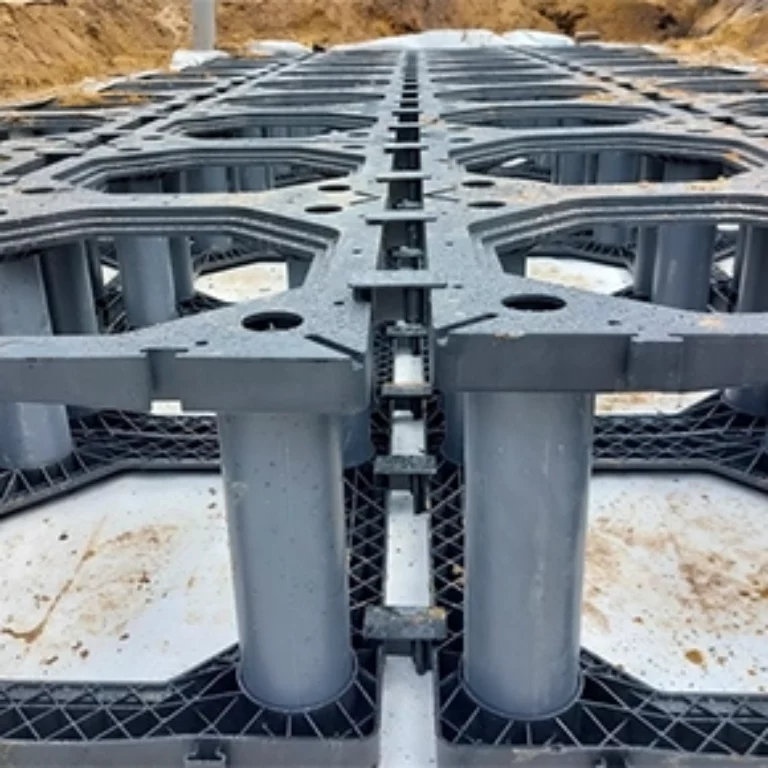
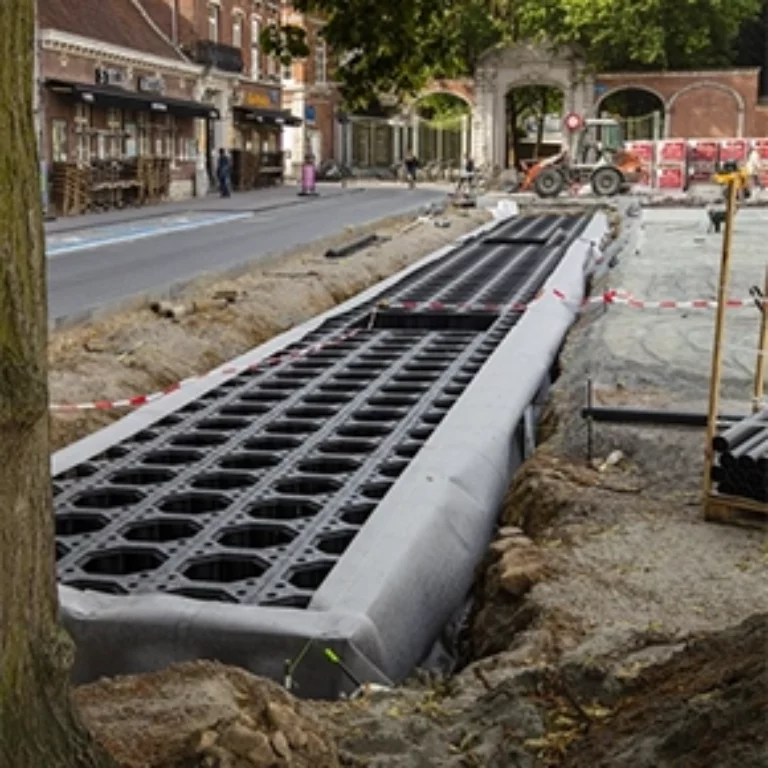
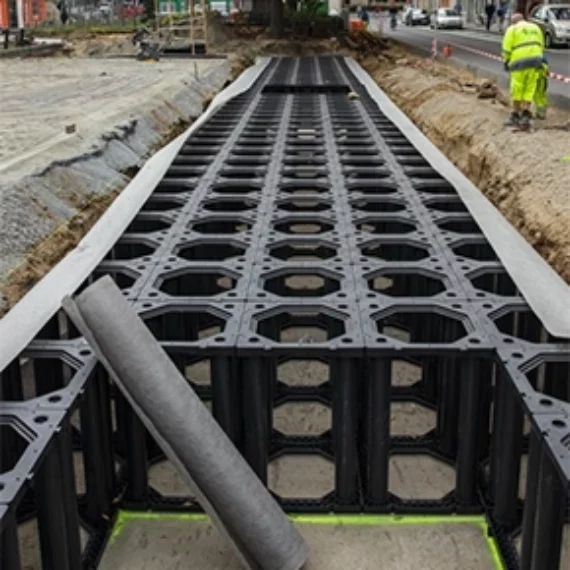
The system combines a load-bearing structure with sufficient porosity for root growth, water, and air. This is how you integrate greenery and infrastructure into a single solution, tailored to the demands of urban environments and public projects.
Why choose Treeparker?
TreeParker is designed to allow trees to grow sustainably in load-bearing areas such as squares, streets, and parking lots. The system decouples the load of the pavement from the root zone, thereby preventing damage to paving and infrastructure.
Practical advantages:
- optimal root development in a compact urban context
- high load-bearing capacity for traffic and paving
- stormwater buffering and infiltration
- protection of cables and underground infrastructure
This creates a growing medium that is both ecologically and technically high-performing.
Integrating TreeParker into your project?
Get support with sizing and integration into your design. Contact our product specialist Willy De Schagt.
Applications and design
TreeParker is used in projects where greenery and paving must function together. Think of urban renewal projects, public spaces, and infrastructure works where sustainability and management are central.
Typical applications:
- squares, streets and pedestrian zones
- parking spaces in congestion charge zones
- urban greening and climate adaptation
- projects with water management integration
By already taking growth space and load into account during the design phase, you realize a solution that will continue to function in the long term.
FAQ
1. How does a tree growing environment with load-bearing capacity work?
TreeParker combines a load-bearing structure with open space for root growth. The load is distributed through the system, not across the root zone.
2. When is TreeParker necessary?
In applications where trees grow under pavement and at the same time must bear traffic loads, such as city centers and parking lots.
3. How is water management integrated into the system?
The open structure allows infiltration and buffering, keeping rainwater available for the tree roots.
4. How do you determine the correct sizing?
Based on tree type, available space, and expected load. Correct sizing is essential for both growth and stability.
5. What is the advantage compared to classical growing sites?
TreeParker prevents soil compaction in the root zone and damage to paving, allowing trees to grow better and infrastructure to remain intact longer.